Why Collection-Based Home Decor Sells Better Than Single Products
Release time:
Jan 21,2026
 Introduction: From Individual Objects to Complete Decisions
When customers browse home decor today, they are rarely looking for a single object in isolation.
What they are really searching for is a complete decision — something that feels right for their space, their lifestyle, and their aesthetic.
This shift has changed how modern home decor is designed, displayed, and sold. Increasingly, both consumers and retailers are moving away from single hero items and toward collection-based home decor.
1. Buying Home Decor Is an Emotional Decision
Home decor is not a necessity purchase. It is an emotional one.
Most customers don't ask:
"Which bowl should I buy?”
They ask:
“Will this look right in my home?”
Collections reduce uncertainty. When pieces are designed to work together, customers feel more confident that their choice will look intentional rather than accidental.
For consumers, collections simplify decision-making.
For retailers, they significantly increase conversion rates.
2. Collections Tell a Clearer Visual Story

A single product can be beautiful.
A collection tells a story.
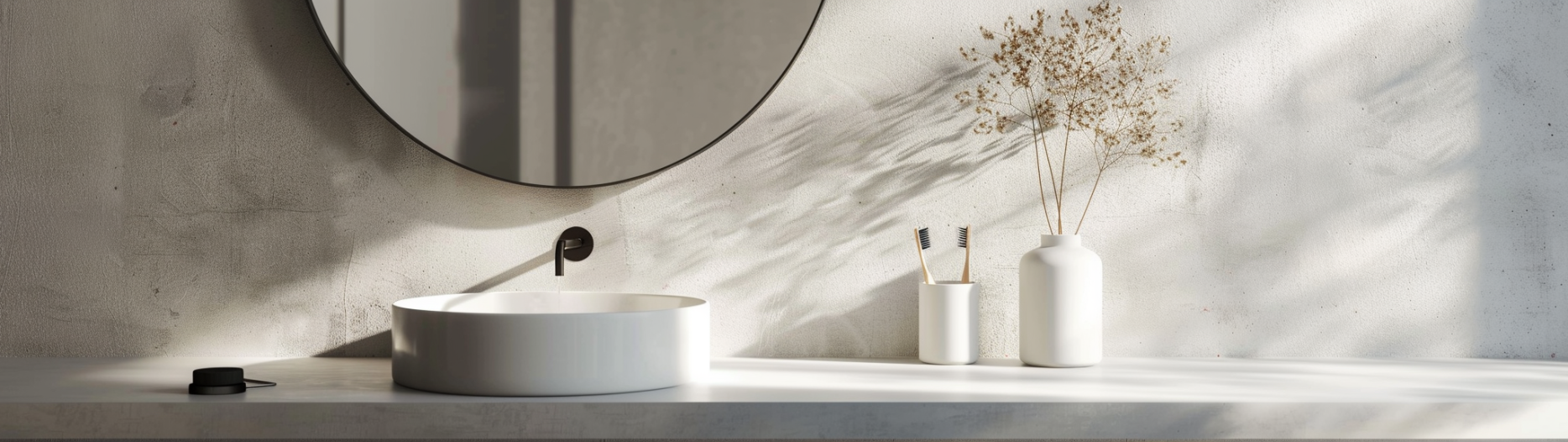
In-store displays, online product pages, and lifestyle photography all benefit from visual coherence. When multiple items share a common design language — in form, material, or color — the message becomes immediately clear.
Customers do not need to imagine how pieces might work together.
They can see it instantly.
This clarity is one of the main reasons collection-based home decor performs better across retail channels.
3. Collections Increase Average Order Value
From a commercial perspective, collections naturally encourage multi-item purchasing.
Instead of buying one object, customers are more likely to:
- Add a second item to complete the look
- Purchase complementary pieces for different rooms
- Return to the same collection later
This behavior increases average order value without aggressive upselling — because the logic feels natural rather than forced.
4. Fewer Decisions, Lower Retail Risk
For retailers, every new SKU represents risk.
Collection-based design helps reduce that risk by:
- Limiting random or disconnected product launches
- Allowing fewer designs to be reused across multiple contexts
- Making merchandising more predictable
A well-designed collection can appear:
- In different rooms
- Across seasonal campaigns
- In both online and offline environments
This flexibility makes collections more resilient than single, trend-dependent items.
5. Consistency Builds Brand Recognition
For brands, collections are not just a sales tool-they are a branding tool.
When customers repeatedly encounter a recognizable design language, they begin to associate it with:
- Quality
- Reliability
- A specific lifestyle or aesthetic
Over time, this consistency builds trust and makes future purchasing decisions easier.
Single products may attract attention once.
Collections build long-term recognition.
6. Collections Support Long-Term Product Lifecycles
Single products are often tied closely to short-term trends.
Collections, when designed thoughtfully, tend to age better.
By focusing on:
- Balanced proportions
- Neutral or adaptable color palettes
- Materials that feel timeless rather than seasonal
Collections can remain relevant longer, reducing the pressure for constant redesign.
This benefits both retailers managing inventory and brands planning future assortments.
7. Behind the Scenes: Why Collections Are Easier to Scale
From a production and sourcing perspective, collections offer practical advantages:
- Shared materials and finishes
- Consistent manufacturing processes
- More efficient tooling and quality control
Instead of reinventing each product, design and production teams can refine and extend a core concept — improving consistency while controlling cost.
8. How Wesmo Approaches Collection-Based Development
At Wesmo, we work with brands and retailers who see home decor not as isolated items, but as cohesive systems.
Our role is to help translate design intent into:
- Coordinated product families
- Scalable production plans
- Collections that perform both visually and commercially
By aligning design, material selection, and manufacturing from the beginning, we support partners in building collections that last beyond a single season.
Conclusion: Collections Make Decisions Easier
In modern home decor, success is no longer about creating the most eye-catching single product.
It's about helping customers — and retailers — make confident, comfortable decisions.
Collection-based home decor does exactly that. It simplifies choice, strengthens storytelling, and supports long-term value.
For brands and buyers alike, thinking in collections is no longer optional.
It's the new standard.

Feedback

SUPPORT Customization
Copyright © 2024 Wesmo Industries Ltd. All Rights Reserved.


Products
Contact us
Add:Tian-An Hi-Tech Ecological Park No.555, Panyu Avenue North, Guangzhou, China
Emall:wm@wesmoindustries.com
Feedback